
Tn Nursery Blog offers you gardening tips plus affordable garden plants, trees & shrubs plus a full variety of landscaping mulches, top soils and more at affordable prices. visit us at http://www.onlineplantnursery.com for our selection.
Showing posts with label backyard landscaping ideas. Show all posts
Showing posts with label backyard landscaping ideas. Show all posts
Thursday, July 2, 2015
LANDSCAPING FOR FUNCTIONALITY AND AESTHETICS
http://www.onlineplantnursery.com/garden-delights-nursery-blog/landscaping-for-functionality-and-aesthetics/

Thursday, September 18, 2014
The better perennials


Choosing a garden


Wednesday, September 17, 2014
Bonsai Care tips

Tuesday, September 16, 2014
Christmas trees


Monday, September 15, 2014
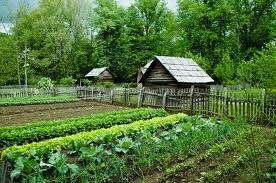
Do organic gardens at home

Preventing Weeds


Rose Gardens

Making an area in your garden that is completely devoted to the beauty and splendor of roses is a great idea and will give a very sophisticated feel to that particular area. These flowers have been and will remain popular among homeowners and gardeners simply because of their classic look. Just like other flowers with many cultivars, there are hardy rose bushes and not so versatile ones. This type of garden will require more preparation than others and also will need more care and maintenance to encourage these beauties to reach their potentials. Make a beautiful rose garden right in your backyard. When choosing a location, make sure to pick one that gets anywhere from four to seven hours of sun if the soil has good draining qualities. The pH needs to be slightly acidic of anywhere from 6.2 to 6.8, but roses will also do just fine with pH readings of up to 7.5. Preparation also helps and in the fall months of the year, and this is a prime time to mix in fertilizer the following spring. Anything like grass clippings, leaves and coffee grounds will have a wonderful effect of adding much-needed nutrients.

When planting the roses, make sure to loosen the ground so its an easier time of adjusting and branching out in their new homes. When planting, make sure to about two to three inches of mulch to help keep water in the soil, weeds away and give the area an overall finished look. Adding compost regularly is also recommended by experts to keep the entire area healthy and full of nutrients. Follow these tips to a healthier and happier rose garden and enjoy the fruits of your labor each spring!
Sunday, September 14, 2014
Types of Bird feeders


Saturday, September 13, 2014
Landscaping with bridges

Deciding to add a focal point such as a small bridge in your backyard garden is a great move and will pay off with the many ways that you can use it in decor as well as all of the many varying compliments you will receive from this beautiful addition. In a Japanese garden, bridges take on quite a different meaning and effect. These will look simply gorgeous over a pond, a small river or any other small body of water in your landscape. They will create a tranquil and peaceful environment, giving you the zen you are looking for. Gardens are supposed to give us a calming feeling and be somewhere we can relax. For some reason, bridges seem to do that quite well. These also look nice over a rocky or stony area and will give you much needed life where it is otherwise hard to grow plants and flowers. When first looking at designs for Japanese bridges, you may be overwhelmed. There is so many different types of bridges to choose possibly from, and each type has its own different things it will bring to your garden. Once you have fully decided on the design you want and placement of your bridge, you will also need to think about whether to leave it as it is or accent it with various plants and flowers. Here are a few in some categories that will do just that! Evergreens are essential with this type of garden or bridge. They represent the permanence of peace and calming. Some evergreens that are great for this are cedars. Cedars will also add a lovely scent to the area. Also, Canadian Hemlocks and redwoods are perfect! With their dark green foliage, you can have a brightly colored bridge that will really stand out! Pine trees are also great for this type of design. You can also add flowers such as Japanese Irises, peonies, azaleas and Japanese Maples to the area to complete and bring together the zen look you are trying to achieve. All of these flowers and trees are whimsical in their appearance and will look beautiful much of the year! Try out a Japanese garden bridge and get creative with you garden area!
Monday, September 8, 2014
Why use landscaping stones?

Saturday, September 28, 2013
Clearing a Lawn of Wild Onions
 I am sure that there are some gardeners and home
owners that just despise those pesky wild onion plants that appear on our lawns
during the early fall months every year.
There are several ways to rid a lawn of these terrible weeds.
I am sure that there are some gardeners and home
owners that just despise those pesky wild onion plants that appear on our lawns
during the early fall months every year.
There are several ways to rid a lawn of these terrible weeds.
Gardeners and home owners can use a wide variety of
chemical solutions that can be purchased at a home and garden center. These solutions will need to be applied to
these weeds at certain times so it is best to get all the information needed
when purchasing these. Also it may be
hard to kill these weeds with chemicals because their stems or leaves will grow
straight and will allow chemical solutions to roll right off of them. They are very hard weeds to kill so it might
talk some work. It is also a good idea
to mow over these before it gets really cold one night and that may help to
kill them out if it is going to frost real heavy that evening.
Another way to get rid of these weed is if you only
have a few in the yard they can be dug up but you need to make sure that they
are dug up completely and none of the bulbs are left. If there are any bulbs left from the plant
they will come right back in no time at all.
Also the bulbs from these pesky weeds can grow under the soil about 6
inches deep. Do not try to pull them up
because you will probably not be able to get roots and bulbs out this way. They will need to be dug up individually and
taken care of.
Getting rid of these weeds can be a very big job and
it may also help to mow over them and open up their leaves so that any chemical
solutions that are used can penetrate the leaves and stay on them. They have a really smooth leave and liquids
seem to run right off of them. Gardenersand home owners can check with a local home and garden center to find out the
best way to get rid of these. Also when
they are mowed they will put off a strong onion odor that is just terrible
unless you like the smell of onions. These
weeds haunt all gardeners and home owners every year if they are not properly
removed when they are seen growing.

Thursday, September 26, 2013
Walking and Enjoying Nature
 Nature has been a part of human lives for ever since the
first human. We have constantly been surrounded by nature and its glory. Living
off the land has been a major part of life for ever since the first plant was
planted. But here of the recent times advanced nations are getting further and
further away from nature and further into electronics and items of the modern
world. It can be extremely stressful and can grieve the body viciously. Every
once in a while a good time spent outdoor will help release the stress and
reset the body.
Nature has been a part of human lives for ever since the
first human. We have constantly been surrounded by nature and its glory. Living
off the land has been a major part of life for ever since the first plant was
planted. But here of the recent times advanced nations are getting further and
further away from nature and further into electronics and items of the modern
world. It can be extremely stressful and can grieve the body viciously. Every
once in a while a good time spent outdoor will help release the stress and
reset the body.
Walking and enjoying nature is the best way to do this, but
simply walking outside may not be sufficient. There are many things you should
look for on picking a route to walk. You should take into consideration many
things including traffic, weather conditions, accessibility, and surroundings:
because taking a stroll through the middle of town is not going to be as
relaxing as you need. Traffic involves both cars, bicycles, and pedestrians. If
your walking on the road you need to be aware of blind spots for cars such as
hills and curves, these places are very dangerous as the car may not see you
until its too late. Always remember to be walking into traffic when on the
road. When walking on private paths you should take care of not running in to's
cyclists and pedestrians. Also be sure to carry a phone at all times in case
something happens, a relaxing walking path will involve little traffic so that
you can be alone to get fresh air.
Weather conditions should be took into consideration
especially if the path you follow involves a creek that may flash flood in the
example of a thunderstorm. Your walking path must be accessible and easy to get to
so that you don’t strain yourself to the point its no longer relaxing. The last
major thing is to make sure that your surroundings remain natural and peaceful
so that you have little interference from man-made objects.
With all of this took into consideration good walking path
can be found, so that you can start walking and enjoying nature as it is meant
to be enjoyed. So look into finding you a relaxing walking path.
Monday, September 23, 2013
Nature Is Better For One's Mind Than Electronics
 The world today is full of the wonders and great
inventions of technology. These neat “toys” have helped our world in so many
and
computers. However this also means that the younger generation are spending
more and more time inside and are missing out on all the treasures that can be
found in nature. Mother nature has provided us with an amazing playground and a
vast library of knowledge that you just can not take advantage of if you are
tethered to a video game all day.
The world today is full of the wonders and great
inventions of technology. These neat “toys” have helped our world in so many
and
computers. However this also means that the younger generation are spending
more and more time inside and are missing out on all the treasures that can be
found in nature. Mother nature has provided us with an amazing playground and a
vast library of knowledge that you just can not take advantage of if you are
tethered to a video game all day.
A walk through a state park, on the seashore, or even just
spending some time in your own backyard can open a whole new world to a young
person. Nature is full of colors that only nature can produce, interesting
plants, odd insects, and amazing creatures that you might not find in a zoo.
If you live near the coast take them on a shell hunt. Once
you get the shells home you can not only investigate what types of shells they
are, but these shells can serve as a great material in craft projects. They can
be used to make jewelry or can be glued to decorate most any surface. Sea
shells look great as a decoration on flower pots, jewelry boxes, or you can
even turn them into creative Christmas ornaments.
The forest and wooded areas that are in your area can offer
you and your children a great chance to spend a ton of quality time together.
During this quality time and exploring what miracles of mother nature your
child can gain a lot of information. One great great activity would be a leaf
scavenger hunts. Provide each child with a photo of different species of leaves
such as oak leaves, maple leaves, elm leaves, and other leaves. Once the
scavenger hunt is over the leaves can be dried between two pieces of wax paper
and your child can then make them into a book.
Another way to teach your child about nature is to allow them
to plant a small garden or even just a few plants in planters. Let them choose
foods that they enjoy such as watermelons, cucumbers, or corn. Not only will
they learn a ton about plants, but they will learn responsibility and fill a
sense of accomplishment when the whole family sits down and enjoys something
that the child has grown from a seedling.
No matter how you get your child out from in front of the
television and in nature the important thing is just doing it. Nature will not
only teach them some great information, but also teach them to take a moment and
admire the natural beauty that surrounds us all each day.

Thursday, September 12, 2013
Plants for Winter Wildlife
 Summer days with the droning of cicadas and the sun warming the green fields are almost over. Late spring and summer are times of plenty for people and for wildlife. Bushes are replete with sun ripened berries, the grass grows tall and green, the boughs of trees offer shade and shelter to a myriad variety of birds, mammals, and insects, and there is plenty of browse available for the animals of the forest. Soon though, the winds will blow chill and whip the winter bared branches of fruitless trees over fields that lie stripped after the harvest. Winter is a time of want for wildlife, but with a little forethought the gardener can supply a twelve month harvest of food and shelter for the wildlife in their area.
When planting trees the gardener should keep in mind that deer, squirrel and chipmunks, in those areas where the smaller mammals do not hibernate, trees such as the oak and hickory bear and abundance of food in the form of acorns and hickory nuts. Deer especially love the acorns of the white oak and will gorge themselves on this natural source of nutrition for as long as possible while squirrels will seek out hickory trees and will begin to harvest and ‘squirrel away’ the fat-rich nuts for as long as they can be found. For smaller animals such as birds the highly popular dogwood is very useful for the tiny red berries it bears in late fall and into early winter.
Evergreens, such as pines, firs, and cedars, as well as practically any varieties of evergreen shrub should not be overlooked. While most evergreens bear very little in the way of food, except for the tiny nuts found in pine cones, they do provide much needed shelter to smaller animals which are very susceptible to the cold weather. In more rural areas deer will even use groups of evergreens
which have been placed as borders and hedges as handy places to shelter themselves from the storms of winter.

Bird feeders are fine, and hay or corn left out for larger wildlife is good, but with a little thought and planning a gardener can easily landscape an area to not only supply themselves with a spring and summer bounty of shade, fruit, and flowers but also provide for the native wildlife in the area. A spring spent growing lovely flowers and a summer spent taking in a bountiful harvest can easily become a winter spent watching the birds, squirrels, and other wildlife as they enjoy the food and shelter the gardener has provided for them.
Recycling, Repurposing & Saving Money
 With the economy getting tight and budget cuts everywhere,
people are starting to get creative every which way they can. Many homeowners
are beginning to cut money on their ways of gardening, groceries and even
repurposing to make some extra cash to make ends meet. There are so many different
ways to recycle and repurpose that people are sharing their ideas all over the
social media sites. Some of the best ones are listed below.
With the economy getting tight and budget cuts everywhere,
people are starting to get creative every which way they can. Many homeowners
are beginning to cut money on their ways of gardening, groceries and even
repurposing to make some extra cash to make ends meet. There are so many different
ways to recycle and repurpose that people are sharing their ideas all over the
social media sites. Some of the best ones are listed below.
1. Recycling old tires – People are starting to
recycle old tires by collecting them off the side of the road and using them as
garden containers. They make great containers to grow your root vegetables or
garden herbs. Add a layer of newspapers on the ground, then lie them on top
and fill with a mixture of topsoil and compost, then plant your vegetables
inside. The tires and newspapers will keep the weeds from growing and the smell
of the rubber will keep rodents like rabbits out.
 2.
Growing your own herbs and dehydrating them –
Many homeowners are starting to grow their own fresh herbs which can be grown
from seeds or small starter plants purchased at your local garden center and
then as they get large enough you can take them and dehydrate them, drying them
out and chopping them up and storing them in jars and containers to use later
on. This also works well for onions, okra, peppers, tomatoes and other
vegetables that you use often to cook with.
2.
Growing your own herbs and dehydrating them –
Many homeowners are starting to grow their own fresh herbs which can be grown
from seeds or small starter plants purchased at your local garden center and
then as they get large enough you can take them and dehydrate them, drying them
out and chopping them up and storing them in jars and containers to use later
on. This also works well for onions, okra, peppers, tomatoes and other
vegetables that you use often to cook with.
3.
Repurposing – Repurposing can come in all shapes
and sizes, ranging from purchasing something at a yard sale or your local
thrift shop and refinishing it to turn around and sell to make a profit.
Repurposing, is also classified as finding things like wood pallets and turning
them into furniture, planters, herb gardens or using them as other creative
ideas.
4.
Couponing – Ladies and men alike, even college
students are turning to couponing in order to save money on groceries so that
they can stretch their dollars and spend it somewhere else. Couponing has been
taking the nation by storm and more and more people are spending hours clipping
coupons in order to save hundreds of dollars on their grocery bill!
There are hundreds, even thousands of ways to save money. Savingmoney is all about adjusting things to your lifestyle, changing things up so
that you can still have what you need and can get by on. Use your mind, be
creative!
Wednesday, September 4, 2013
How to Grow Moss in Your Backyard
Growing moss is the perfect alternative to having a high-maintenance lawn that requires constant attention. Moss provides lush, green ground cover that never needs cut and only needs occasional watering once the plant is mature.
Preparing your backyard for planting moss is relatively simple with little elbow grease. It is most important to prep your soil, plant any complimentary vegetation before the moss and provide a moist environment with plenty of sunlight.
 There are many different types of moss and all of them take some patients to develop. Pleurocarp moss types can double in size in only 6 months, depending on the level of care and attention. When planting moss you need to space out everything using tiny pieces. These will eventually grow together to form a beautiful carpet of moss across your landscape.
Preparing your backyard for planting moss is relatively simple with little elbow grease. It is most important to prep your soil, plant any complimentary vegetation before the moss and provide a moist environment with plenty of sunlight.
 Prepping Soil

Before planting moss on your landscape, all debris and dead vegetation must be removed. An effective method to even things out is to use a stiff rake and a coal shovel to pick up tiny rocks and unwanted materials that could keep moss from growing.
Divits and tiny indents in the soil can also be hazardous to the growth of moss. Water can collect in these areas, killing the vegetation. Once you have the debris away from the area where the new moss will reside, take a look at any vertical surfaces that the moss may meet. If you plan to have your moss grow up a tree, for example, be sure gradually to increase the grade of the soil leading up to the tree. When meeting a vertical surface, moss tends to stop growing so it is necessary to create a 'hill' effect leading up to the surface.
Plant Additional Plants First
Seedlings will not be able to grow under a thick bed of moss, so it is important to plant them ahead of time. Annuals or perennials make great additions to any moss bed, so feel free to experiment with colors.
To make things easier on yourself, try getting mature flowers to plant along with your moss.
Growth Rate
 There are many different types of moss and all of them take some patients to develop. Pleurocarp moss types can double in size in only 6 months, depending on the level of care and attention. When planting moss you need to space out everything using tiny pieces. These will eventually grow together to form a beautiful carpet of moss across your landscape.
How to Water Moss
Moss requires a moist, sunlight rich environment to thrive. When you first start growing moss, water everything daily for the first two months to promote optimum growth. After that, water the moss every three days for the third month.
The watering eventually tapers off as the moss continues to grow, so months four and five it is only necessary to water weekly and monthly.
If you are tired of mowing your lawn and constantly landscaping, moss is an alternative that may be best for your backyard.
Before choosing the vegetation for your backyard landscape, try contacting a nursery specializing in moss for tips and advice on your next project.
Friday, August 30, 2013
Finding the Right Conifer for your Landscape
When moving into a new home, planning your outdoor landscape is an exciting event that can be fun to plan. Conifers are a great starting point and generally enhance the landscape of any residence. Adding conifers to your outdoor landscape is the perfect way to freshen up an old backyard, or to add privacy to the property line of a home.
When moving into a new home, planning your outdoor landscape is an exciting event that can be fun to plan. Conifers are a great starting point and generally enhance the landscape of any residence. Adding conifers to your outdoor landscape is the perfect way to freshen up an old backyard, or to add privacy to the property line of a home.
Climate
 Conifers usually prefer a climate zone between 4-6 depending on the plant. The Red Cedar, or Juniperus Virginiana, is perfect for adding privacy to your backyard with a width of 10 to 20 feet and growing over 30-40 feet in height. When purchasing conifers for your landscape keep in mind what USDA climate area you reside in, the type of soil, and the amount of sunlight it will receive.
Size
What type of conifer are you looking for in regard to the area of space you have? With options like the Dwarf Boxwood for smaller areas, to the Spruce Pine that can grow 60-90 feet in height, it is important to take into account all aspects of the space your new conifer will call home.
In terms of decorating a property border or even a front porch, consider the Winter Gem Boxwood. Though it is a slower growing conifer, it is a compact evergreen shrub that rarely needs pruned.
In terms of decorating a property border or even a front porch, consider the Winter Gem Boxwood. Though it is a slower growing conifer, it is a compact evergreen shrub that rarely needs pruned.
 Light Requirements

Not all conifers are the same when it comes to light requirements, as some thrive in lower light to partial shade like the Spruce Pine, while the White Pine prefers full sunlight and can often live over 400 years.
If the area of your yard has full sunlight, a Virginia Pine Tree can be a great addition to your front landscape area. This tree can grow to 75 feet at a rate of 2-4 feet per year. Perfect for areas with dry soil, or even clay, it prefers a climate zone of 4-8 for optimum growth.
The best approach to finding the right conifer is to pin point your climate area, space for planting, functionality of the plant and how fast you'd like it to grow. Consult a plant nursery for a quicker solution, as many offer conifers for sale online. Do your homework and have a few in mind going into it. Sometimes creating a sketch of your ideal yard is a good starting point in developing the vision of your final product.
Remember, we are here to help with any gardening questions you may have. Feel free to comment and share your thoughts with us!
Wednesday, August 28, 2013
Backyard Landscaping Ideas- Try Using Vines

Here are a few ways vines can be a beneficial addition to your backyard landscaping project:
Add Some Color
 Fences and gazebos can look bare standing alone, so why not spruce them up with Humming Bird Vines to attract wild life as you enjoy your outside sitting area. Purchasing vines for your backyard landscape does require a bit of research, so be sure to check your soil type and climate zone before planting.
Easy to Care for
Not much goes in to caring for vines except basic watering and sometimes pruning. When growing vines such as the Honeysuckle Vine, expect to see rapid growth in a climate zone of 4-9, and even during winter months.
When working with longer vines it is necessary to 'train' them as they get bigger. Adding some gardening wire to give them something to attach to is an efficient way to gain foliage and color to any outdoor structure.
Added Ground Cover
If your backyard landscaping project entails covering large, bare areas such as a hill side, there are many affordable vines that provide large ground cover. Snow on the Mountain provides great ground cover with its leaf span and thrives where grass is normally difficult to grow.
Vines will add color and style to your outdoor leisure area without breaking your budget. Beautiful and low maintenance, they are a great way to spruce up an existing backyard garden.
If you are looking for backyard landscaping ideas involving vines, try contacting a reputable nursery specializing in vines to find the right plant for your climate area.
Subscribe to:
Posts (Atom)