Perennials are by far the best type of flower and plant to place in your garden or landscape area. They will save you money each year instead of having to buy new flowers each season. Additionally, most of them are easy to care for and maintain. Here are some great choices for perennials that you should consider adding to your garden or landscape. The Blanket Flower is a great choice. It is very heat tolerant and drought resistant and will give you color for the entire spring through the summer. They will bloom in reds and golds with three inch blooms that are similarly looking to that of a daisy. Garden Phlox is another great choice. It is a wonderful bordering plant and can grow up to four feet tall. The flowers this plant produces are fragrant and will bloom from the summer months of the year all the way into the fall. It is also great to act as a ground cover in some areas. Russian Sage is also great. It is a larger perennial that is perfect for larger landscapes. It will be about five feet tall and about three feet wide and will produce beautiful blue blooms during the summer months of the year. They love lots of sunlight and are very tolerant of heat. They are also drought resistant and will be breathtaking in your landscape. Peonies are also beautiful choices. They produce very fragrant and lovely blooms during spring through the fall.
They can grow anywhere from two to four feet and grow in clusters to form a shrub-like appearance. Irises are another great choice. They have a shorter blooming period but will take your breath away. They grow in any color one could imagine and will multiply each year when they return. Daylilies are also beautiful and even though their blooms only last one day, they bloom all spring and summer long. They are also low maintenance and can grow in a variety of conditions. Try one of these perennials in your garden today!
Showing posts with label all about perennials. Show all posts
Thursday, September 18, 2014
Choosing a garden
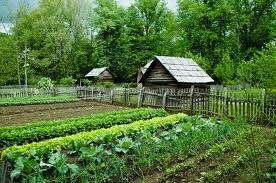
If you are new to gardening or landscaping, you might feel overwhelmed with the many options that are available. Every garden and gardener needs a plan. You want to start with what type of garden you want. There are several types of gardens that you can put in your yard. If you want something that just looks pretty in your yard, try a flower garden. You can fill this area with a multitude of plants that grow each year. They will also provide lots of colors and most are hardy and versatile. Most of these will also make delightful and beautiful fresh cuttings that you can turn into arrangements for your home. Research that perennials are best for your climate area. You can also plant a vegetable garden. These will just as beautiful as most of them produce flowers before they bear their vegetables. They will also give you something delicious that you can cook with or eat raw. This is also a great type of garden for the whole family to get involved.
Some gardens take more effort, but it will be worth it! You can even have some of these plants indoors to give you year round fresh vegetables! A harder garden would be to try a fruit garden. These are fairly high maintenance and pests, and other animals are often drawn to the area. The soil needs to be adjusted, and they are fertilized at the right times to ensure proper growth and development. The work will be all worthwhile once you are enjoying fresh fruits! Every garden need to have a plan and make sure your schedule allows the right amount of time to fully care for and maintain the area. If you cannot just pick one, do not worry as you can have multiple types of gardens in your landscape area!
Monday, September 15, 2014
Do organic gardens at home
Just imagine growing your own fresh, natural, better tasting vegetables own your own in your back yard. What an amazing way to eat! If you can plant a plant and water it, you can succeed in your organic vegetable garden. It is that simple. And the benefits for your health and the health of your family are worth the commitment. First you will need to determine where in your back yard is a good place for your garden. Your garden needs about six hours per day of sunlight, and you will need a place with good drainage and rich soil. Do some work for your garden area to enrich and fertilize the soil. It can be done naturally using mulch and compost. You can purchase compost at your local lawn and garden store or, if you want to be sure that you have natural compost, you can start your compile pile, bin or barrel.
Simply add food scraps, grass clippings, leaves, coffee grounds, etc. Remember to locate this bin or barrel away from your home and stir it all up a couple of times a week. It will smell a bit unpleasant, especially if it is warm in your area. Add this material to your soil, mix it all it, add some peat moss and maybe some earthworms and your area will be ready for your to plant your vegetables. You will need to research and get some advice as to which vegetables will do well in your area. Your local nursery or gardening store can give you excellent advice in this area. Pests and disease will be another concern for you as your garden begins to grow. Get rid your garden of pests or prevent them to begin. Natural predators such as lizards, birds, frogs and even other insects are great to add to your garden. These will control your pests in a natural way. Most diseases can be handled with warm water and mild dish detergent. You will also want to add some fencing if you live in a rural area where wildlife might enjoy your garden before you do. It is a simple process. You will need to plan some and learn and enjoy the benefits of eating healthier.
Farmers are starting to go organic
People are becoming more and more informed about what they ingest. They are researching healthier ways of eating and growing their food. And many more of them are buying organic vegetables. In years so many have now started growing their vegetables organically. Probably the most beneficial to the gardener is that there are no harsh chemical pesticides or fertilizers to worry about feeding to your families. All organic vegetables are grown using only natural things, and no chemicals. Therefore, people who eat organic foods are eating less processed foods and have less chance of ingesting any of the toxins used in conventional gardening. And organic vegetables have been proven to contain more nutrients, vitamins and minerals that those grown conventionally. However, there are even more benefits from organic vegetable gardening. It is environmentally-friendly. When harsh chemicals are used in conventional gardens. Through organic gardening, the soil and the environment are preserved. By using a method called crop rotation, which is simply not planting the same crop in the same spot each season, but rather rotating things around, the soil is not left harmed or drained from nutrients.
Therefore, the soil is good to use for future generations to come. Fertilizers and even pesticides are all natural. Pesticides such as frogs, lizards, birds and even other insects are just as effective in preventing pests as the toxic pesticides used in conventional methods of gardening. Fertilizers consist of manure and composted materials, which are all natural, therefore, not harmful to the environment or the people who are eating the produce. This method of gardening is not difficult. It is easier than one could imagine. The main things you need are sunlight, water and soil. Most homeowners have all of these in their back yards. Although organic vegetable gardening can take more planning and commitment than conventional gardening, it well work the extra trouble to invest. Not only does it feel good to grow one's food, but it is so much healthier for you and your families. You will all be much healthier for investing in this new project.
Preventing Weeds
Weeding our garden and landscape areas can be quite time consuming and is not a favorite maintenance item on any gardener’s to do list. Several things to help keep weeds out and to make your garden or landscape area look healthier. In every square inch of your garden, there are hundreds of weed seeds. However, not all of them will sprout as some are too far down in the soil to get any sunlight that is required this pests to grow and flourish. So a great way to prevent more weeds from coming in is to not disturb the soil in your garden unless you need to.
If you need to remove weeds, wait until the soil is moist and kill them at the root. It will keep the seeds lying in the soil never to bother anyone! Mulching is also another way to keep these weeds at bay. It will starve the weed seeds of sunlight which they need in order to grow. It keeps the soil moist which plants and flowers love and will encourage growth and productivity. If you do not like mulch you can also use other things such as wood chips, bark nuggets and pine needles to get the look and benefits that you want in your garden area. You also want to weed areas if needed after a rain. The soils roots of the weeds will come out with little effort. Destroy weeds at the root to remove that one fully from the area without fear of it coming back over and again. If weeds are larger you will have to lop off the head of the plant that will also keep it from spreading its seeds over your landscape. Whatever method you use to keep weeds out your garden area, just make sure to be smart and efficient in the removal and prevention of this time consuming plants.
Rose Gardens
Making an area in your garden that is completely devoted to the beauty and splendor of roses is a great idea and will give a very sophisticated feel to that particular area. These flowers have been and will remain popular among homeowners and gardeners simply because of their classic look. Just like other flowers with many cultivars, there are hardy rose bushes and not so versatile ones. This type of garden will require more preparation than others and also will need more care and maintenance to encourage these beauties to reach their potentials. Make a beautiful rose garden right in your backyard. When choosing a location, make sure to pick one that gets anywhere from four to seven hours of sun if the soil has good draining qualities. The pH needs to be slightly acidic of anywhere from 6.2 to 6.8, but roses will also do just fine with pH readings of up to 7.5. Preparation also helps and in the fall months of the year, and this is a prime time to mix in fertilizer the following spring. Anything like grass clippings, leaves and coffee grounds will have a wonderful effect of adding much-needed nutrients.
When planting the roses, make sure to loosen the ground so its an easier time of adjusting and branching out in their new homes. When planting, make sure to about two to three inches of mulch to help keep water in the soil, weeds away and give the area an overall finished look. Adding compost regularly is also recommended by experts to keep the entire area healthy and full of nutrients. Follow these tips to a healthier and happier rose garden and enjoy the fruits of your labor each spring!
Sunday, September 14, 2014
Types of Bird feeders
Birds are a unique, versatile creatures. They make lovely music with their chirping and make our garden and landscape areas look alive with all of their humming and buzzing about. With that in mind, we need to make sure that we put bird's feeders in our gardens to help them with food sources as the constant build up of areas has this limited in some places. There are several kinds of bird's feeders you can enjoy in your garden. Here are a few types to try out. Tray and platform feeders are quite popular. They attract a wider range of species including sparrows, pigeons and even finches. These kinds are that they do not keep the elements such as snow and rain out. Once seeds become so wet, they can start to sprout, and birds have no use for this. As moisture builds, they may also start growing fungus that will deter birds from feeding here.
If you choose to use, this kind makes sure to have a screen on the bottom so water, and other elements can drain out and make sure to empty and clean it at least once a week. House feeders are another popular choice. They keep the seeds dry and protected and will attract multitudes of different kinds of birds including finches, grosbeaks, cardinals, chickadees and sparrows. What a variety! If you have a smaller landscape, try a window feeder. These attach to your glass using suction cups, and they have hooks that attach to the frames as well. They bring finches, chickadees and many other birds to the area. They also give you a personal and up close look at the beautiful wildlife in your area that will be something very wonderful to behold. Tube feeders are also a great choice. They keep the seeds dry and can keep most squirrels away from the area. You will love watching the birds move around this tube and feed as it is quite interesting to watch. Try one of these birds feeders in your garden soon and bring the wildlife to you.
Saturday, September 13, 2014
Landscaping with bridges
Deciding to add a focal point such as a small bridge in your backyard garden is a great move and will pay off with the many ways that you can use it in decor as well as all of the many varying compliments you will receive from this beautiful addition. In a Japanese garden, bridges take on quite a different meaning and effect. These will look simply gorgeous over a pond, a small river or any other small body of water in your landscape. They will create a tranquil and peaceful environment, giving you the zen you are looking for. Gardens are supposed to give us a calming feeling and be somewhere we can relax. For some reason, bridges seem to do that quite well. These also look nice over a rocky or stony area and will give you much needed life where it is otherwise hard to grow plants and flowers. When first looking at designs for Japanese bridges, you may be overwhelmed. There is so many different types of bridges to choose possibly from, and each type has its own different things it will bring to your garden. Once you have fully decided on the design you want and placement of your bridge, you will also need to think about whether to leave it as it is or accent it with various plants and flowers. Here are a few in some categories that will do just that! Evergreens are essential with this type of garden or bridge. They represent the permanence of peace and calming. Some evergreens that are great for this are cedars. Cedars will also add a lovely scent to the area. Also, Canadian Hemlocks and redwoods are perfect! With their dark green foliage, you can have a brightly colored bridge that will really stand out! Pine trees are also great for this type of design. You can also add flowers such as Japanese Irises, peonies, azaleas and Japanese Maples to the area to complete and bring together the zen look you are trying to achieve. All of these flowers and trees are whimsical in their appearance and will look beautiful much of the year! Try out a Japanese garden bridge and get creative with you garden area!
Thursday, September 11, 2014
Removing old trees
Sometimes you may have to face the stressful task of taking out a tree that you have had around for many, many years. Reasons for tree removal are many, the tree gets too close to buildings, or maybe gets a terrible pest infestation or disease, making the tree weaker and more likely to fall, or maybe the tree is just too old and weakened to leave it standing. There are cases when power companies will come in butcher a tree because the power lines are going through it. Whatever your reason, when it comes time to take down a tree that has been growing for many years, it can be a sad time, but it’s best to take the tree down rather than let it fall on your home or your neighbor’s.
The main thing that most gardeners, nurseries and landscapers will recommend is that you hire a professional to take the tree down if it is an extremely large tree. If it is a medium size tree that is not close to anything like fencing or buildings or other trees, you are probably safe to take it down yourself. But make sure that you plan it out before you start to cut. Plan on which direction you need a tree to fall in, measure so that you are sure the tree will clear any obstacles and then you can plan on taking down the tree. You will need to get together all the tools that you need, such as a chainsaw, ropes, rakes, gloves and above all, make sure you use protective eyewear. Flying wood chips can do serious damage to your eye or even cause loss of sight. Once you have everything assembled, along with a few good friends to hold the ropes, you can start to cut. You will need to cut a sideways “V” into the trunk to be sure that the tree falls just as you have planned it to. Don’t cut a straight line into the tree, this can cause the tree to roll to either side and make in more uncontrollable. If your friends are holding the ropes and the cutting process goes as it should, the entire process of taking down the tree should be very uneventful. The trunk, however, presents another problem altogether. The recommendations are to use a tree removal company to handle the stump.
Tuesday, September 9, 2014
Organic Gardening
A new gardener needs to not have some experience. All of probably planted our little seed at some point in elementary school and watched it grow. Gardening is all about trial and error. Some things work and do not, so you have to readjust what methods you use. Here are some simple and effective ways to introduce yourself to organic gardening and all of the benefits that come with it. To start, you will need to make your bed. It needs to be done about three weeks before planting begins. You will need to loosen the soil about a foot down into the ground and rake the surface until all the weeds, clumps and other debris are gone. Until planting time arrives, make sure to keep the area weed and debris free. Doing this weeks before planting makes sure that weed seeds that were deep in the ground and sprouted will be removed before planting begins. Also digging shallow furrows or holes for planting your seeds is the best way to go, and you can design your garden however you want it to look. Also watering at just the right amounts is important. Soils need to be kept moist, but not soaked. Watering the soil before planting is the best way to go because the seeds will not be soaked or wash out of the soil. Allow for room to grow when planting seeds and properly spaced. Follow instructions on the packets that were purchased. You can also put two or three seeds in each hole for better and fuller results. Also, when planting the seeds, realize that they need shallow ground and not deep. Just barely covering them with soil will be sufficient, and they will flourish and thrive and exceed your expectations. Keeping the soil and seeds moist is key, but note they only need to be watered as the ground is dry needs extra care until all the seeds are sprouted. Just remember that organic gardening might seem like a lot, but not too much for anyone!
Saturday, August 30, 2014
Dahilia
Dahlias are flowers that will give your garden and landscape something new and vibrant to rekindle your love for gardening. They are also favored because of their coloration during the fall months of the year. They will usually bloom from mid summer to late fall and have a wide range of colors from orange, white and purple. The blooms will be magnificent and fairly large for the size of the plant, ranging anywhere from two to twelve inches across. The plants will range from several inches tall to upwards of twenty feet. Most of the larger species are found in the wild. Dahilias also make beautiful fresh cut flowers and will keep for many days in your home.
These flowers can also be perennial or annual, depending on the species so make sure to research before deciding which species you will want to plant in your garden or landscape area. Dahlias come in many colors and petal shapes thanks to the many cultivars that have experimented with the breeding of these flowers. This particular type of flower is simply breathtaking. You can plant it in colonies and have many colors in one area, form a border around your already existing flower bed, or you can plant them all on their own. They will look amazing in any area you see fit. There are so many species from double flowering to single flowering to anemone and orchid flowers types. These flowers will do best in soil conditions that are well drained and prefer a pH level from six to six and a half. Also, these flowers love organic matter, so adding some compost or peat moss will improve the overall health and happiness of the flower. When you plant these, make sure the soil is somewhat warm and moist as they will adapt much better. They do best in climate zones eight through ten and will require at least six hours of sunlight each day to reach their potential. Adding these flowers to your garden is a great idea, and you will love the results!
Wednesday, July 9, 2014
IPad Giveway!
Who doesn’t love winning FREE stuff? At Online Plant Nursery right now we are giving away a FREE IPad! Yes, you heard me…I said FREE! Go to our website and sign up for the newsletter. Sign up for Online Plant nurseries newsletter for an entry. But, wait each person can get up to several different entries. Go to your twitter, put a good review about Online Plant Nursery on your account and then put our link. Here you can also go to our Google + page and give a good review put our link in and be entered. But, wait it doesn't stop there! One can also go to their Face Book page and do the same!
1. Go to your Facebook page and give us a good word, putting our link in – to be entered
2. Go to your twitter page, give us a shout out, putting our link in – be entered
3. Go to our Google+ give a good review, put our link in – to be entered
4. Sign up for our newsletter – to be entered
5. Sign up with your email – to be entered
It’s that simple! The drawing will be done on August 1st.
IPads are the new trend in electronics. They are versatile and handy it can be carried anywhere, but they can bring hours of entertainment to your whole family. One can watch movies, play games, work from home, check emails, read books or do school work all from the IPad. It’s smaller than the size of a 1inch notebook and can fit in a pocketbook, book bag or drawstring bag. The only downside to IPads is that they can be pricey, so why not win one for FREE?
Sign up here
Sunday, January 26, 2014
Growing Perennials Successfully
Perennials - How to Care for Them
Avoid Holes
Perennials grow very quickly and they usually begin to clump together. When these aren’t divided every three to four years, then spots of these clumps often die out, leaving gaping holes.
Protect from Fungal Disease
Flowers
When you don’t devide perennials and they multiply, these become overcrowded and have fewer or smaller flowers than those that are well spaced.
If you replant in different areas, then you control the plants, which is especially important when the plants are aggressive and tend to overwhelm neighboring plants.
More Plants
Besides, when you divide the perennials you create more plants of the same variety. This offers an inexpensive way of adding new plants to other areas of the garden.
When to Dig Up and Seperate
Many gardeners ask themselves when to dig up and seperate perennials. Actually, these are very hardy plans so you can dig them up to replant in different areas any time from Spring to Fall, however, there are two seasons that are best for doing this; spring and fall. These seasons are cooler than the summer, so the weather and soil conditions are less stressful to the plant. Just be sure to divide them when the plants are large enough.
Perennials are beautiful and very easy to grow. However, they do take some maintenance and you do need to dig them up and separate them every couple of years. This is an easy process, but one you should do in the cooler months of spring or fall. Remember, separating allows you to plant small clumps of plants in different areas of the garden.
Why Divide Perennials?
Gardeners love wildflower perennials because they grow so easily. These offer beauty at an inexpensive price. However, they multiply quickly and can grow out of control, clumping and may even taking over other planted areas. To prevent this from happening, there comes a time when you must devide perennials in your garden. If you don’t divide these, they will eventually look ill kept. Even so, there are also other reasons why you want to eventually separate them.
Avoid Holes
Perennials grow very quickly and they usually begin to clump together. When these aren’t divided every three to four years, then spots of these clumps often die out, leaving gaping holes.
Protect from Fungal Disease
Large clumps of perennial roots are susceptible to insect infestations and fungal infections.
Flowers
When you don’t devide perennials and they multiply, these become overcrowded and have fewer or smaller flowers than those that are well spaced.
If you replant in different areas, then you control the plants, which is especially important when the plants are aggressive and tend to overwhelm neighboring plants.
More Plants
Besides, when you divide the perennials you create more plants of the same variety. This offers an inexpensive way of adding new plants to other areas of the garden.
When to Dig Up and Seperate
Many gardeners ask themselves when to dig up and seperate perennials. Actually, these are very hardy plans so you can dig them up to replant in different areas any time from Spring to Fall, however, there are two seasons that are best for doing this; spring and fall. These seasons are cooler than the summer, so the weather and soil conditions are less stressful to the plant. Just be sure to divide them when the plants are large enough.
Perennials are beautiful and very easy to grow. However, they do take some maintenance and you do need to dig them up and separate them every couple of years. This is an easy process, but one you should do in the cooler months of spring or fall. Remember, separating allows you to plant small clumps of plants in different areas of the garden.
Subscribe to:
Posts (Atom)


.jpg)
.jpg)
.jpg)