

Tn Nursery Blog offers you gardening tips plus affordable garden plants, trees & shrubs plus a full variety of landscaping mulches, top soils and more at affordable prices. visit us at http://www.onlineplantnursery.com for our selection.
Showing posts with label affordable moss. Show all posts
Showing posts with label affordable moss. Show all posts
Wednesday, September 17, 2014
Bonsai Care tips

Monday, September 15, 2014
Do organic gardens at home
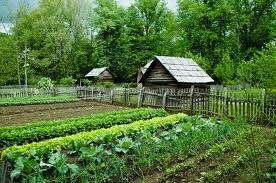

Farmers are starting to go organic


Saturday, September 13, 2014
Landscaping with bridges

Deciding to add a focal point such as a small bridge in your backyard garden is a great move and will pay off with the many ways that you can use it in decor as well as all of the many varying compliments you will receive from this beautiful addition. In a Japanese garden, bridges take on quite a different meaning and effect. These will look simply gorgeous over a pond, a small river or any other small body of water in your landscape. They will create a tranquil and peaceful environment, giving you the zen you are looking for. Gardens are supposed to give us a calming feeling and be somewhere we can relax. For some reason, bridges seem to do that quite well. These also look nice over a rocky or stony area and will give you much needed life where it is otherwise hard to grow plants and flowers. When first looking at designs for Japanese bridges, you may be overwhelmed. There is so many different types of bridges to choose possibly from, and each type has its own different things it will bring to your garden. Once you have fully decided on the design you want and placement of your bridge, you will also need to think about whether to leave it as it is or accent it with various plants and flowers. Here are a few in some categories that will do just that! Evergreens are essential with this type of garden or bridge. They represent the permanence of peace and calming. Some evergreens that are great for this are cedars. Cedars will also add a lovely scent to the area. Also, Canadian Hemlocks and redwoods are perfect! With their dark green foliage, you can have a brightly colored bridge that will really stand out! Pine trees are also great for this type of design. You can also add flowers such as Japanese Irises, peonies, azaleas and Japanese Maples to the area to complete and bring together the zen look you are trying to achieve. All of these flowers and trees are whimsical in their appearance and will look beautiful much of the year! Try out a Japanese garden bridge and get creative with you garden area!
Wednesday, September 4, 2013
How to Grow Moss in Your Backyard
Growing moss is the perfect alternative to having a high-maintenance lawn that requires constant attention. Moss provides lush, green ground cover that never needs cut and only needs occasional watering once the plant is mature.
Preparing your backyard for planting moss is relatively simple with little elbow grease. It is most important to prep your soil, plant any complimentary vegetation before the moss and provide a moist environment with plenty of sunlight.
 There are many different types of moss and all of them take some patients to develop. Pleurocarp moss types can double in size in only 6 months, depending on the level of care and attention. When planting moss you need to space out everything using tiny pieces. These will eventually grow together to form a beautiful carpet of moss across your landscape.
Preparing your backyard for planting moss is relatively simple with little elbow grease. It is most important to prep your soil, plant any complimentary vegetation before the moss and provide a moist environment with plenty of sunlight.
 Prepping Soil

Before planting moss on your landscape, all debris and dead vegetation must be removed. An effective method to even things out is to use a stiff rake and a coal shovel to pick up tiny rocks and unwanted materials that could keep moss from growing.
Divits and tiny indents in the soil can also be hazardous to the growth of moss. Water can collect in these areas, killing the vegetation. Once you have the debris away from the area where the new moss will reside, take a look at any vertical surfaces that the moss may meet. If you plan to have your moss grow up a tree, for example, be sure gradually to increase the grade of the soil leading up to the tree. When meeting a vertical surface, moss tends to stop growing so it is necessary to create a 'hill' effect leading up to the surface.
Plant Additional Plants First
Seedlings will not be able to grow under a thick bed of moss, so it is important to plant them ahead of time. Annuals or perennials make great additions to any moss bed, so feel free to experiment with colors.
To make things easier on yourself, try getting mature flowers to plant along with your moss.
Growth Rate
 There are many different types of moss and all of them take some patients to develop. Pleurocarp moss types can double in size in only 6 months, depending on the level of care and attention. When planting moss you need to space out everything using tiny pieces. These will eventually grow together to form a beautiful carpet of moss across your landscape.
How to Water Moss
Moss requires a moist, sunlight rich environment to thrive. When you first start growing moss, water everything daily for the first two months to promote optimum growth. After that, water the moss every three days for the third month.
The watering eventually tapers off as the moss continues to grow, so months four and five it is only necessary to water weekly and monthly.
If you are tired of mowing your lawn and constantly landscaping, moss is an alternative that may be best for your backyard.
Before choosing the vegetation for your backyard landscape, try contacting a nursery specializing in moss for tips and advice on your next project.
Saturday, August 3, 2013
Plant Live Moss to Enhance any Garden

The moss garden should start free of competing plant life, such as grass, and smooth enough that the low-lying moss bed can spread easily. If you wish to combine moss with perennials or other features, add those first before planting the live moss. Finally, it is important to remember that moss grows very slowly. If you have a large area, buy a lot of moss to cover it do not expect it to grow and take over quickly. Sheet moss and carpet moss sell by the square footage in places such as an online plant nursery or a local gardening store.

When it is finished, live moss garden looks natural and beautiful. A simple layer of sheet moss will mingle easily with artificial garden features too, so you can be as creative as your imagination and budget allow. When planted in the garden, it forms a thick carpet-like texture, with a smooth surface and only medium growth. Since it can cover soil, wood, or even rock, arrange those artfully across the garden and allow the live moss to create a lighter appearance of untrammeled wilderness without the bother of thick weeds and heavy trees. Whether you use carpet moss or sheet moss, the results will be beautiful between the preparation work and the patience.

Spagnum moss, or peat moss, is often added to gardens without becoming the garden’s centerpiece. It has many properties which enhance an existing garden, such as gradually enabling the release of water or fertilizer to the other plants, allowing them to thrive on less of both. It also functions to improve soil type. Heavy clay soil is loosened to aid root growth, while sandy soil is given extra body to help the soil maintain nutrients and water. Spagnum moss also speeds up composting by helping break down organic matter, and its own decay is very slow so it becomes an appropriate growth medium for other plants.
When you buy moss for your garden, you are making the right choice.
https://www.onlineplantnursery.com/moss/
Subscribe to:
Posts (Atom)