
Tn Nursery Blog offers you gardening tips plus affordable garden plants, trees & shrubs plus a full variety of landscaping mulches, top soils and more at affordable prices. visit us at http://www.onlineplantnursery.com for our selection.
Showing posts with label gardening. Show all posts
Showing posts with label gardening. Show all posts
Friday, August 8, 2014
August Gardening Tips On Pruning Tomatoes and Other Vegetables in Your Garden
Pruning tomato plants, removing strawberry “runners”, and fertilizing container annuals are some of the gardening activities for this month.
To help your tomato plants direct all their energy into growing the fruit that's already set, prune off some of the vines that contain flowers but no young fruit. Pinch off suckers growing from where the branches connect to the main stem (the leaf axils). Keep moisture levels even to prevent blossom end rot. Renew mulch if necessary.
Strawberry plants are in very active growth these days, and new “runners” or plants attached to the main one will proliferate. Remove runners to keep plants spaced according to the method you're using so plants will put their energy into producing future fruit, instead of new runners. Left alone, a bed will turn into a mass of foliage and few berries.
Strawberries, raspberries, blackberries, cherries, and other fresh, very perishable fruit should be kept refrigerated and not washed until serving time. Green vegetables, however, such as broccoli, peas, and beans, as well as beets and carrots, should be washed before storing in the refrigerator.
If you have lots of produce, or have a CSA share or visit local farm stands, you may need to store produce for later in the season or into next winter. Freezing vegetables is an easy and quick means of storing for the long term, if you have spare freezer space. A spare chest freezer can quickly be filled during the growing season, and be worth the investment. You’ll save much from not having to buy produce at stores, eat healthy, and know the produce is fresh and local.
Exceptions to freezing are green onions, lettuce and other salad greens, cucumbers, and tomatoes (except for juices and cooking). Make sure to use bags or containers listed for freezer use, as others don’t contain moisture and vegetables will dehydrate.
Most vegetables (onions and sliced peppers are exceptions) need “blanching” prior to freezing to kill bacteria and stop enzymes that deteriorate produce. Simply set vegetables (I use cheesecloth or similar bags) in boiling water (a pound for a gallon of water), or suspend in a basket above steam for a short time. Then cool quickly in cold running water. The thicker or larger the fruit, the more time is needed. Shelled peas need about one and a half minutes, corn kernels 4 minutes, squash 3 minutes, sliced carrots about 2 minutes, and whole carrots about 5 minutes.
Any fertilizer you've applied to annual flowers in containers has probably washed out of the soil in rain, so give them another dose. Clip off spent blooms and cut some stems way back to encourage lots of new growth. Do this every couple of weeks.
If you come home to a dried-out container planting, don't despair. Some plants will wilt dramatically, but come back once moistened. If the water you add from the top pours right through, place the entire container in a saucer or tray of water and let the water soak into the soil from below for and hour or so. If it's still hot and sunny out, place the plant in a shady, cool spot for a few days. Remove damaged foliage and see if it develops new growth.
Other garden activities for this month include visiting local perennial nurseries to see what is new and in bloom (such as some of the great new coneflower colors), keeping hummingbird feeders filled and cleaned often, and checking plants often for pests and disease.
Buy Garden Plants Online at Tn Tree Farm Nursery
Monday, August 4, 2014
Maintaining Your Container Garden
Container gardening is becoming increasingly popular and is a great way to add color to patios, grow herbs or vegetables and make it easier to add depth or landscape. Follow these steps for your container gardens beautiful and flourishing. As with most gardening articles, you will have to listen to the importance of proper watering. These plants are in a small compact area, and they can easily become distressed if not taken care. These kinds of gardens need to be often watered, sometimes even once or twice a day especially if the weather is particularly warm or hot. Also be sure to water all of the soil and not just around the edges. If the soil dries out at a quicker than normal pace, it might have too many plants in it, and some may need to be transplanted to another container. Also fertilizing these gardens on a regular basis will provide happiness and health of each plant in the container. If the soil is limited and lots of watering were going on, sometimes a slow release fertilizer will keep nutrients inside while growing season. You can also add the water-soluble fertilizer once every week or two to help the plants and soil remain healthy. In addition, regularly pruning of your plants will be required. Remove dead flowers or leaves to help produce new growth and keep disease down in the plants. It will help keep the plants and flowers healthy as well and keep them looking quite perky and alive with no drooping. Since container gardens normally container plants and flowers that are annuals, another you can do to keep your garden looking alive and beautiful is to change out the plants according to the season. At some point, the ones currently in there will have had their time, and you can remove these and add new life and growth with different plant. Also, prepare for the cooler months of the year. These kinds of gardens need to protect from freezing weather. You can bring these inside and keep them growing, or you can add these to your compost and use for fertilizer in the spring months of the year. Either way, you will come out good. Make sure to take these steps to ensure a healthy and happy container garden.
How to Plant a Garden
Before even beginning to plant in the area, prepare the area thoroughly to ensure the success of any garden. It will help with future problems such as disease and weeds and will ultimately be better for your plants and flowers. Remove all weeds, sticks and unwanted grass before planting anything in that area. Dig up the ground about two to three inches. Cover the area with a tarp or cardboard and by springtime the grass should be dead and you can begin looking at the soil. Planning will be key in saving time on this project. Once you have cleared the area you want see how healthy and good it is. Place a good amount of soil into a jar and add a teaspoon of liquid soap to the mixture. Once the layers have separated you will be able to tell what is dominant in your soil and can make an assessment on what needs to be added or what plants and flowers will do well in the area. You can buy a do it yourself kit at a local nursery or hardware store. Adding organic matter and fertilizer will always help any soil conditions. One will see what the needs are after you testing and you can have a healthier, happier garden. Remember that they key to a healthy beautiful garden is preparation, and even though it takes extra time, its worth it in the end. Check to see if where a garden is fixed that the plants that a homeowner picks will do well and thrive in the conditions. Plants will need to be picked that will grow in full or partial sunlight and also in full or partial shade where ever that garden is placed and fixed. There is a great selection of perennials that will look fantastic when added to gardens and will look amazing and add lots of colors to all gardens and areas when they begin to grow. Add plants to a much-needed curb appeal to a home. It is all up to the imagination when it comes to planting and growing perennials and wildflowers.
Saturday, August 2, 2014
How To Create More Garden Space
How to Create More Garden Space
Often gardeners seem to run out of space before running out of ideas to plant or grow in their garden areas. When it happens, you may have a beautiful and flourishing garden but you feel like something is missing. Why not start growing more things in container gardens? It allows so much more to be planted such as herbs and other vegetables and flowers as well as give you the versatility of changing locations of the containers without having to transplant a particular flower or plant. In addition, container gardening is much more simple than people think! First you need to choose the right container. You can purchase plastic or terra cotta pots at a local nursery, or you can go hunting in your own home. Either way, the container, is the first step. Even you find something that doesn’t have holes in the bottom, you can always drill these yourselves to allow for water drainage. If you have a metal container, you will want to be careful that these do not receive afternoon sun as the metal will heat up and hurt the flowers and plants that are living in this. When you begin to plant, you will want to fill the container about halfway and set the plants in and then add more soil to cover the roots just as you would normally in a regular garden. Next water and fertilize the flowers and plants to give them a good starting. Fill the container two-thirds of the way up and then begin planting the seeds. After it, you will just need to do regular maintaining such as deadheading, fertilizing and watering to suit the weather. Use container gardens to grow more and add even more life to your home! Having a beautiful garden on the lawn or home is to provide beautiful curb appeal and will make a house stand out from among the rests in the neighborhood. It will also supply beautiful color and will add a special touch to all lawns. Gardens are also a great way to relieve stress. Something about working in a garden will take everything off of your mind for a little while. There are also all kinds of gardens and other areas that can be created around on the lawn.

Friday, July 25, 2014
Sunday, January 26, 2014
Enjoying A Wildflower Garden At Home
If you have ever considered setting up a garden for your home,
wildflowers are an excellent "baby step" into the world of horticulture.
When properly set up and blooming, a wildflower garden adds a wonderful
array of colors to your home and can even add to your home's value. The
list below contains several noteworthy wildflowers to consider adding
to your future garden of beauty. There's also a variety of other garden plants that's great to accent your wildflowers.

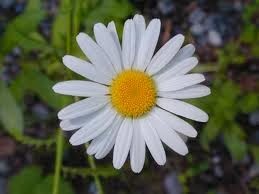


- Daisys Known as Asteraceae or Compositae, Daisys are one of the most far-reaching families of plants at over 23,000 specific kinds. Their family name is also known as the aster or sunflower family. Within the language of flowers, the daisy is symbolic of innocence and purity.
- Black Eyed Susans Much like daisies, these also belong to the Asteraceae family, Black eyed Susans get their name from the black center surrounding by yellow leaves. Black-eyed Susans can be found as annuals, though some specific varieties are biennial or even perennial. Other common names for this plant include "golden Jerusalem" and "yellow ox-eye daisy." In addition to its status as the state flower of Maryland, the Black-eyed Susan means "justice" within the language of flowers.
- Trilliums Trilliums, also known as birthworts or wakerobins, are a member of the Melanthiaceae family. This plant variety grows underground, much like a potato or ginseng, yet it produces lovely flowers as its only exposed portions. Its flowers come in a variety of colors across the spectrum. Its main method of spreading seeds is through ants. Within the language of flowers, trillium represents modest ambition.
- Buttercups Buttercups comprise about 600 different varieties within the Ranunculaceae family. These perennials get their name from the yellow, or white-yellow, flowers, though some varieties have been known to produce red or orange flowers. In addition to the obvious color that spring-blooming buttercups produce, this genus is a prime attractor for several species of butterfly whom feed on its nectar. Within the language of flowers, these symbolize good feelings, as well as prosperity.
Buy Wildflowers at a reputable online nursery
Wednesday, August 21, 2013
How to Plant a Garden
Planting, a successful garden, can be a very rewarding experience. Whether you are trying to grow plants, flowers or vegetables, purchasing seeds is the first step. Secondly, you would have to find a place in your yard that has constant sunshine at least six hours out of the day. There are also varieties of plants and flowers that will flourish in total shade.

Having soil that is rich in nutrients is very essential because it is much more than ordinary dirt. Soil can be tested in a number of ways, but the easiest and least expensive way is to buy a soil test kit at a local garden store. Preparing the soil is done by digging and mixing it up to about two feet down. On the back of the seed package, there should be instructions on how to plant them.

Watering the garden properly is a very important for its overall health. An over or under amount of water can be harmful so give it a thorough soaking during the morning hours every few days. Fertilizers that include nitrogen, phosphorus and potassium can be very beneficial to help the garden grow well. Following these procedures should allow you to enjoy your garden for years to come.


Subscribe to:
Posts (Atom)