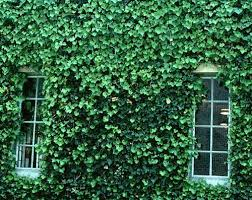
Showing posts with label vines. Show all posts

Tuesday, September 2, 2014

Know Your Soil

KNOW YOUR SOIL!

First off, buying kits for Ph-testing of the soil. These are not always accurate, and are often affected by such environs as fertilizer, humidity, heat and cold.
JUST remember, soil no matter what type, can be converted to facilitate ANY plant, tree or shrub with the right conditioning.
Soil can be easily placed into four categories.
          1        Dry soil – easy drainage. This is soil such as sandy based, or thin top soil       and heavily graveled. Limestone and certain chalky areas. Making the Ph balance more alkali.
          2        Wet soil  - not easy drainage. Clay topsoil, thick topsoil that sports a          moss or similar. Flood zone areas, or prone to a lot of rain. Lower valley in particular.
          3        High Nutrient – plenty of good rich loam and top soil. Soil is darker than    most, and has a 'leafy' texture. Damp           but not sodden with water.
          4        Low Nutrient – this soil tends to be harder for even the weeds to populate.      It is often a lot more paler in color.  From an orange-red  – to even a           whitish-       gray.  Tends to accompany extremes of dry or wet. New housing often sits on soils   like this.


Another good way to check the variables in your soil is to identify what kind of plants (weeds,) are already in growth about your property. Along with the grass coloration. These are also great indicators to your soil's potential for use.
Not all soils need boosters of fertilizer, or more soil added.
But most need some form of stabilizing treatment.  Such as a simple soluble with water to kick start it. Or perhaps a good tilling.

Dry soil – May need some mixers. Best thing to stop it drying out quickly is, to add a  load of wood chips and mix it in when you till it, the second time.* Or an easy method, is to 'bank' it up. By raising it higher than the non-gardening section of the land. Then add your mixers.

Wet soil – You need to add a little sand, to aid in drainage. If you have a clay soil base, which is the most common for problems with drainage, then add wood chips along with your sand and some chalk. This works wonders. Also you may need some top soil too. This is due to it being flooded and nutrients washed away with some areas.

High Nutrient – Do not do a thing! Perfect soil! Congratulations! Just be careful! Do not add any unnecessary fertilizer to the soil. A good tip for the nutrients break up easily to feed your garden, is to add a tablespoon of Epsom salts per two gallons of water, and lightly, spray your garden, then till it.

Low Nutrient – Easy, get your fertilizer going! Such as cow, horse or chicken manure. Nutrients means nitrate levels. Compost, rotting leaves, all of this should be tilled in the first time, then tilled again to ensure equal distribution.


After your soil has been stabilized, then it's time to buy garden plants- Buy Trees, Shrubs & Plants at Garden Delights Nursery.


Thursday, July 17, 2014

Perennial Gardens Are fun and easy

Plant perennials in your flower garden for a quick and easy way to improve your landscaping. Flower beds are used in many upscale properties to give the appearance of a completed look in landscaping. Everyone loves to visit a home, estate or restaurant where there is a well manicured lawn and lots of color in landscaping. You can easily maintain a landscape when you also plant vines under shrubs, hedges or perennials to prohibit weeds from growing in the area. No fuss landscaping is usually what hard working homeowner's wants. For those that doesn't have a lot of quality time to spend gardening yet wants a lush and lavish flower perennial garden, perennials and ground covers works well together.

Below is some places where you can order your plants reasonable priced and they deliver to your home or office.I bought our perennials for my flowers bed at Garden Delights and also purchased some ground covers to plant beside them to provide a thick carpet like appearance underneath them to stop weeds from growing.

Garden Delights Nursery

Tn Nursery

Trees For Sale Nursery

Tn Tree Farm Nursery

Garden Plants Nursery

Perennial Co

Tuesday, January 28, 2014

Easy Garden Plants To Grow


Growing a garden does not need to be intense and difficult, it should be easy and enjoyable. Choose some easy to grow garden plants and you are guaranteed to have a successful garden. There are a variety of easy to grow plants that will help to add depth and color to your garden.

Perennials
Perennials are typically plants that live for more than one year. They are easy to grow and come in a variety of different species. Blacked-Susan, purple cornflower, and creeping phlox are three examples of easy to grow plants that will help to add color and texture to any flower garden.


Vines
Vines are a great addition to any garden. They are eye catching mainly because they add an element of height to a garden. The kiwi and trumpet are two examples of this type that are easy to grow. 


Ground covers
Ground covers are a great addition to any garden and are used to grow in places where most plants cannot grow. They are great for shady spaces.


Vinca minor
Vinca minor is a type of plant usually used to cover bare spots. It loves the shade and dry conditions. It is a pretty plant year around. It has light purple flowers in the blooming season and has appealing foliage the rest of the year.

Buttercups - Daffodils
Buttercups have tiny white or yellow flowers that usually bloom in the spring. However, in certain areas they will bloom into the summer. They require little care.


Daffodils
Daffodils are usually one of the first signs of spring. They come in a huge variety of styles and are known for their yellow and white color combination. The important element to remember about these flowers is that they are a bulb plant. 


English ivy
The English ivy is a fast growing climber. They require some sun and a little bit of water and are easy to grow.

Are You Looking to buy affordable plants online? Shop At A Wholesale Nursery For Cheaper Prices


Sunday, August 4, 2013

The Best Vines to Stop Erosion

How vegetation can help to stop soil erosion:


Vines are useful in preventing or stopping land erosion. They are good for this purpose for many reasons. Below the surface, their roots grow together and assist in binding the soil, making it more difficult for forces that cause erosion, such a wind or rain, to break the soil apart. Above the surface, the tendrils grow together, with other plants and objects to form an interwoven mat of vegetation that protects the soil, buffering it from direct impact with rain or wind.


Although many plants will also help to stop erosion, the vine offers some advantages that other plants lack. Primarily vines are good at protecting slopes because they grow both vertically and horizontally. Furthermore, most species are invasive; they will grow until they completely fill the area. This makes them useful in large scale projects.


Things to consider:

Take precautions when planting near gardens, trees or buildings as some species have been known to damage structures and overwhelm other flora. Before purchasing a vine, it is best to consult a local or Online Nursery as some species are prohibited in certain states.

English Ivy will grow on slopes, gardens, trees and buildings and can reach a height of ninety feet. It is a flowering vine producing greenish yellow flowers from late summer to late autumn. Be aware the berries of the English Ivy are poisonous to humans.


The Vinca Minor, or dwarf Periwinckle will grow to cover the ground, but only climbs vertically to height of sixteen inches. The Vinca Minor produces light purple flowers from early spring to midsummer. This is a hardy, disease resistant, and pesticide resistant vine.


Finding The Right Type Vine:

Many local nurseries have vines for sale that are both adapted for your region and not restricted by state laws due to their invasiveness. An Online Nursery will often have large selections of vines for sale. Keep in mind that not every variety of vine may be available at all times of the year. Furthermore there may be state restriction as to which species may be imported. For details and information, I find that a local nursery can help in making your decision concerning which vine would be best for you.

Vines For Sale